Chairman of the Sharkovshchina District Executive Committee
- 211921, Sharkovshchina, st. Komsomolskaya, 15
- 8 (021) 546-13-48
- rik@sharkovshchina.vitebsk-region.gov.by
- пн
- вт
- ср
- чт
- пт
- сб
- вс
Acceptance of applications from citizens and legal entities from 8.00


Executive Committee
Sharkovshchina Regional
Executive Committee
30 July 2025
Lukashenko: The nation’s ‘crown jewel’ is its nature
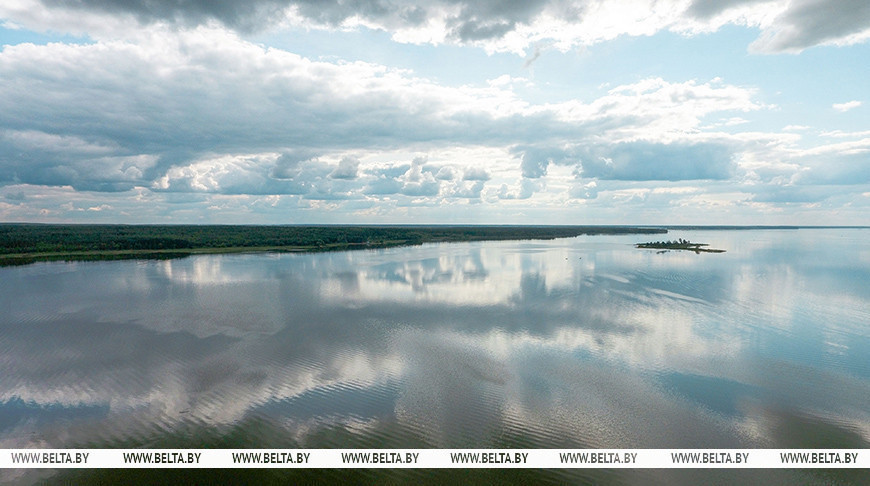
In the northwestern part of Belarus lies Belarus’ Lake District, an area of pristine forests and crystal-clear lakes. It is renowned for hosting the nation's largest spa and wellness resort cluster, attracting over 100,000 visitors annually. For those yet to discover Belarus' Lake District, we wholeheartedly recommend going. This area is known for unique genetic and biological diversity. However, this corner of Belarusian nature was once at risk of being ruined because of the thoughtless economic activity and disorganized mass recreation. In a new episode of BelTA’s YouTube “After the Fact: Lukashenko’s Decisions” we will explore what nearly destroyed the Naroch area and how Aleksandr Lukashenko literally saved this unique natural treasure trove. We will look into which Belarusian region became a geographic and historic crossroads of Western and Eastern European cultures, and discover why Belarus captivates not only its neighbors but travelers worldwide.
How many rivers and lakes are there in Belarus?
First, some key facts. Did you know that Belarus sits on the watershed divide between river systems flowing to two different seas- the Baltic Sea and the Black Sea? The country is home to over 20,000 rivers with a combined length of 90,000 kilometers - enough to circle Earth twice. The longest river flowing through Belarus is the Dnieper. Within Belarus, the Dnieper stretches 666 kilometers, nearly the distance from Minsk to Moscow.
The country also boasts nearly 11,000 lakes. The largest ones, located in the northern region, form what’s often called the country’s “blue necklace”. These lakes were created 15,000-20,000 years ago by the retreating Valdai Glacier. Belarus' largest lake, Naroch, or more precisely the area surrounding it, will be in focus of this episode.
How did Belarus revitalize the Naroch area?
Back in the early 2000s, Aleksandr Lukashenko emphasized that the Naroch area was a unique lake district whose potential should be harnessed for tourism development. “This is a national treasure asset of Belarus. We must tidy this place up and reestablish ecological balance,” the president insisted. Back in the day the region was struggling. The Naroch area had suffered significant damage. Even the measures implemented during the Soviet era failed to achieve the desired results.
Environmental situation worsened relentlessly as poaching expanded unchecked. Faced with these mounting threats to this unique ecosystem, President Aleksandr Lukashenko passed a decree in 1999 to establish the Narochansky National Park spanning 87,000 hectares. Now it is one of Belarus’ four protected areas. Nearly 20% of its area comprises about 50 lakes.